

Supporting Independent Australian Artists: Why It Matters
Table of Contents
- Why Supporting Independent Australian Artists Matters
- Economic and Social Value of Independent Creative Work
- How Artists Make Money and Build Sustainable Careers
- Benefits of Buying Art Directly From Independent Artists
- Practical Ways to Support Independent Artists
- What to Look for When Buying Handmade Jewellery
- The Ripple Effect: Community Benefits and Cultural Vitality
- Frequently Asked Questions
Last Updated: October 12, 2026
Why Supporting Independent Australian Artists Matters
When you buy from an independent artist, you're investing in someone's creative vision, sustaining their livelihood, and strengthening your community's cultural fabric. Supporting independent Australian artists has ripple effects far beyond the transaction.
At Choux Fleur Designs, every handcrafted necklace represents hours of intentional design, careful material selection, and meticulous execution. When you support independent artists, you're choosing pieces with soul that carry the maker's intention into everyday life.
Independent creative workers form the backbone of a thriving arts sector. They take risks larger manufacturers won't, innovate in ways mass production can't replicate, and create the cultural diversity that makes communities vibrant.
Economic and Social Value of Independent Creative Work
Independent artists contribute meaningfully to the economy while enriching the cultural landscape in ways mass-produced goods cannot match. As independent practitioners, they retain control over their practice, set their own standards, and build sustainable careers on their own terms.
Independent artists reinvest locally, purchasing materials, renting studio spaces, and spending earnings within their communities. This circulation strengthens local economies in ways distant corporate profits never do.
Independent creative work also provides cultural vitality. When First Nations artists, culturally diverse makers, and underrepresented voices gain platform and income through independent practice, the entire cultural ecosystem becomes richer, reflecting the full spectrum of human creativity rather than a homogenised marketplace.
Independent artists also model alternative ways of working, demonstrating that flexible arrangements, creative autonomy, and meaningful labour can coexist. For many, independence is necessity given the scarcity of permanent creative employment. Supporting these workers validates their choice and makes their path more viable.
How Artists Make Money and Build Sustainable Careers
Artists sustain themselves through multiple income streams. Understanding how independent creators earn money reveals why supporting them matters.
Direct sales form the foundation. When you buy directly from the maker, the artist captures the full value of their work, with no middleman, retailer markup, or platform fee. This is why buying from independent artists delivers more impact than purchasing through mass retailers.
Many artists also earn through commissions, where clients request custom work. This income stream rewards skill, reputation, and the ability to translate a client's vision into reality, and often commands premium pricing reflecting the artist's expertise and time investment.
Teaching and workshops provide another crucial revenue source, letting artists share knowledge, build community, and earn income while developing the next generation of practitioners.
Grants and arts funding represent a third pillar, though access varies widely. Government bodies, foundations, and private sponsors support artists working on culturally significant projects, because independent creative work generates value that markets alone won't always support.
Career sustainability hinges on consistent income from multiple sources, the ability to raise prices as reputation grows, affordable studio space, and community support. When buyers consciously choose to support independent artists, they directly improve these conditions. Your purchase is a vote for the artist's continued practice.
Benefits of Buying Art Directly From Independent Artists
Purchasing directly from independent artists offers distinct advantages beyond the product itself.
Authenticity and uniqueness. Mass-produced jewellery relies on repetition, the same design manufactured thousands of times. Independent artists create limited runs or one-of-a-kind pieces, so no one else owns your piece. This exclusivity matters to people who use objects as expressions of personal identity.
Transparency and traceability. Buying directly means you know who made your jewellery, where, and from what materials, and you can ask about sourcing, durability, and care. This transparency builds trust that obscured corporate supply chains never can.
Quality and intentionality. Independent artists prioritise quality over volume, selecting materials carefully and executing techniques with precision. A handcrafted piece is designed to last, worn every day and kept forever, in sharp contrast to fast fashion jewellery built for rapid replacement.
Supporting local economies. Money spent with independent Australian artists stays in Australian communities, as artists buy supplies locally, pay local rent, and spend earnings on local goods and services, strengthening local business ecosystems.
Connection and meaning. Owning something made by a person you can actually contact creates a different relationship with the object. You're supporting a human being's creative practice, and many buyers find this connection deepens their appreciation for what they own.
Environmental benefit. Small-batch production generates far less waste than mass manufacturing. Independent artists source materials thoughtfully, so handcrafted jewellery's environmental footprint is substantially smaller than mass-produced equivalents.
These benefits compound when you support artists whose work aligns with your values. If representation matters, seek out First Nations artists and culturally diverse makers. If sustainability concerns you, support artists who prioritise ethical sourcing. Your purchasing power advances the creative culture you want to see.
Practical Ways to Support Independent Artists
Supporting independent artists requires action, but the pathways are straightforward.
Buy directly from their websites or studios. This is the most impactful way to support an artist: they receive the full value of the sale, with no platform cut or retailer markup.
Pay fair prices. Handcrafted work commands premium pricing because it reflects time, skill, materials, and creative labour. Work priced far below market rate usually means the artist is undervaluing their labour. Paying fair prices affirms that creative work has genuine worth.
Commission custom work. Commissioning gives artists steady income and creative challenge while ensuring you receive exactly what you want. Many welcome commissions and charge premium rates for bespoke work, which they've earned.
Recommend their work to others. Word-of-mouth remains powerful. When you love something you've purchased, share the artist's name, practice, and values. This costs you nothing but can drive meaningful business to the maker.
Follow their practice. Subscribe to newsletters, follow social media, attend studio events. This keeps you informed about new work, sales, and exhibitions, and signals to the artist that their practice has an audience, sustaining motivation and continued investment in their craft.
Gift their work. Handcrafted pieces make exceptional gifts because they're unique and intentional. Gifting work from an independent artist introduces someone to a maker and their practice, and votes with your money for the creative culture you value.
Advocate for fair working conditions. Support policy and practice that lets independent artists sustain themselves, whether by backing arts funding, supporting venues that host independent makers, or speaking up about the value of creative work in your community.
Diversify where you source. Seek out artists whose backgrounds, identities, and perspectives differ from your own.
What to Look for When Buying Handmade Jewellery
Handcrafted jewellery demands different evaluation criteria than mass-produced alternatives. Knowing what to assess helps you buy confidently.
Material quality. Examine what the piece is made from. Genuine gemstones, quality metals (14k gold, sterling silver, gold-filled), and durable findings matter. Ask the maker about sourcing if sustainability concerns you. Quality materials cost more but last longer and age better.
Craftsmanship. Look for even stringing, secure clasps, and careful finishing. Inspect how beads are attached, knots tied, and spacers positioned. Sloppy execution won't hold up to daily wear; quality handwork shows care and skill.
Durability for daily wear. The best handcrafted pieces are designed to be worn every day. Ask whether the piece suits your lifestyle: if you swim regularly, does it handle water exposure? If you're active, will the clasp hold?
Uniqueness and variation. Handmade means variation: natural gemstones have inclusions and colour variations, and vintage beads differ from one another.
Maker's process and philosophy. A maker who can explain their choices, why they selected specific materials, how they approached the design, and what inspired the piece demonstrates intentionality, signalling that they care about their work and stand behind it.
Return policy and guarantees. Quality makers typically offer returns or exchanges if the piece doesn't work for you, and communicate clearly about sizing, care, and what happens if something breaks. If a maker won't stand behind their work, that's a warning sign.
Price relative to materials and labour. Handcrafted jewellery costs more than mass-produced alternatives because quality materials, skilled labour, small batch production, and the artist's time all factor into pricing.
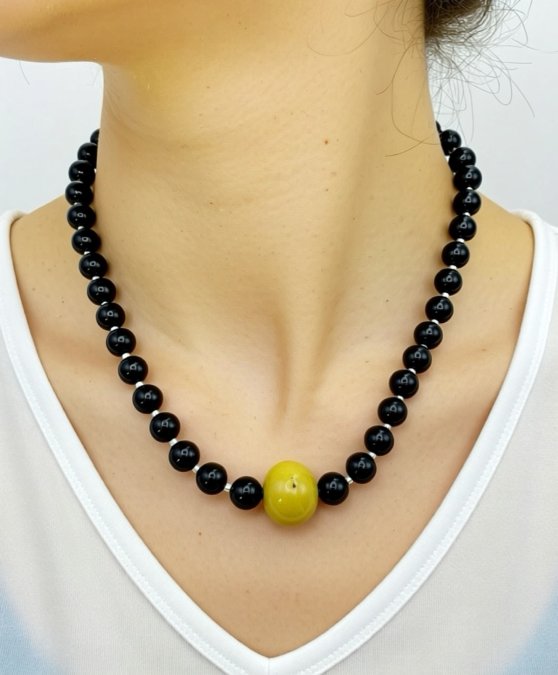
At Choux Fleur Designs, each piece is designed to be worn every day. Pieces like Equinox ($79.95) feature natural stones, black onyx, carnelian, amber agate, dalmatian jasper, olive jade, and tiger's eye, finished with 14k gold findings and a secure clasp.

The Ripple Effect: Community Benefits and Cultural Vitality
When you support independent artists, benefits extend far beyond the individual maker, strengthening entire communities and shaping cultural landscapes.
Economic multiplier effects. Money spent with independent artists circulates through local economies as artists buy materials, rent studio spaces, and spend earnings on goods and services.
Cultural representation and diversity. Independent artists bring diverse perspectives to the marketplace. When First Nations artists earn sustainable income, they continue creating work reflecting their cultural heritage and worldview.
Community connection and social cohesion. Independent artists often teach workshops, exhibit locally, and collaborate with other makers, building social connection and strengthening community bonds.
Workforce development and creative opportunity. Supporting independent artists validates creative work as a viable career path.
Cultural innovation and risk-taking. Independent artists take creative risks larger manufacturers won't, experimenting with new techniques and unconventional aesthetics. This drives innovation across the creative sector, and innovations from independent studios often influence mainstream practice.
Resistance to homogenisation. Mass production tends toward standardisation, but independent artists resist by creating work that reflects their unique vision. When communities support independent makers, they preserve cultural distinctiveness against the flattening effect of global corporate culture.
The cumulative effect of individual purchasing decisions is profound.
Supporting independent Australian artists isn't charity. When you purchase Old Soul ($99.95) or Blythe ($69.95), pieces crafted with intention and designed to be worn every day, you're participating in this broader ecosystem of support.


The benefits flow in multiple directions. You receive a unique, quality object made by a skilled practitioner. The artist receives fair compensation and validation that their practice matters. Your community gains cultural vitality, economic circulation, and diverse creative voices.
Supporting independent Australian artists matters because creative work sustains culture, strengthens communities, and enriches individual lives. Choux Fleur Designs creates handcrafted gemstone jewellery designed to be worn every day and kept forever, pieces that reflect artistic intention and genuine craftsmanship.
Frequently Asked Questions
How does buying directly from independent artists support their work?
When you buy directly from an independent artist, a larger portion of your money goes straight to them rather than being split between retailers, distributors, and middlemen. This direct support allows artists to reinvest in better materials, tools, and time for their craft. For handmade jewellery makers, this means they can afford to source quality gemstones, maintain proper workspace, and dedicate time to creating thoughtful, one-of-a-kind pieces rather than rushing through mass production. Direct purchases also signal demand for their work, encouraging them to continue creating and building a sustainable career.
How can I tell whether a jewellery designer is truly independent?
Independent jewellery designers typically create limited quantities or one-of-a-kind pieces rather than identical reproductions. Look for makers who describe their process transparently, show their workspace or hands at work, and can explain the sourcing and selection of materials. True independent artists often discuss their creative philosophy and maintain direct communication with customers. Handcrafted pieces should show subtle variations and individual character. If a designer emphasises small-batch production, hand-stringing, hand-knotting, or custom finishing, these are strong indicators of genuine independent work rather than mass-manufactured items.
What should I look for when buying handmade jewellery from independent artists?
Examine the quality of findings and clasps, which should be durable metals like 14k gold or sterling silver rather than cheap plating. Check whether gemstones are named and sourced thoughtfully. Read care instructions carefully, as natural materials require proper maintenance. Look for evidence of handwork, such as hand-knotted silk between pearls or individually selected beads. Assess whether the piece reflects intentional design choices about colour, proportion, and contrast rather than random assembly. Verify the maker's reputation through customer feedback and their willingness to answer questions about materials, durability, and longevity. A piece designed to be worn daily and kept forever should feel substantial and considered.
Why does supporting independent artists benefit entire communities?
When independent artists thrive, they strengthen local creative ecosystems and cultural identity. Supporting them keeps creative skills alive, provides employment and flexible work opportunities for skilled makers, and attracts cultural tourism and engagement. Independent artists often collaborate, share knowledge, and mentor emerging creators, building a vibrant creative workforce. Communities with active independent artists experience stronger social connection and cultural representation. Supporting First Nations and culturally diverse artists ensures diverse voices and perspectives are valued and sustained. The economic activity generated by independent makers circulates locally, supporting small suppliers, studios, and related services that contribute to community wellbeing and cultural vitality.