

Luna Tide alternatives for rings: what to choose
Table of Contents
- Why shoppers seek Luna Tide alternatives
- What makes handcrafted gemstone rings Australia stand out
- Material durability: tarnish-resistant metals and gemstone clarity
- Ethical jewellery brands Australia and sustainable sourcing
- How to care for gemstone rings and extend their lifespan
- Sizing, fit, and stackable ring styling for everyday wear
- Finding your alternative: key selection criteria
- Frequently Asked Questions
Last Updated: October 4, 2026
Why shoppers seek Luna Tide alternatives
When you're hunting for Luna Tide alternatives rings, you're probably seeking something Luna Tide doesn't deliver, whether that's a specific aesthetic, support for independent Australian makers, or handcrafted quality.
The gemstone ring market now offers numerous artisan jewellers creating one-of-a-kind pieces. Shoppers seeking Luna Tide alternatives typically value authenticity, craftsmanship, and the story behind their jewellery.
What separates an exceptional ring from a forgettable one is intentionality: knowing your piece was created by someone who cares about proportion, colour harmony, durability, and longevity.
What makes handcrafted gemstone rings Australia stand out
Handcrafted gemstone rings offer individuality mass-produced alternatives cannot. A jeweller makes intentional choices at every stage: selecting stones for their unique characteristics, considering light reflection, and designing for years of daily wear.
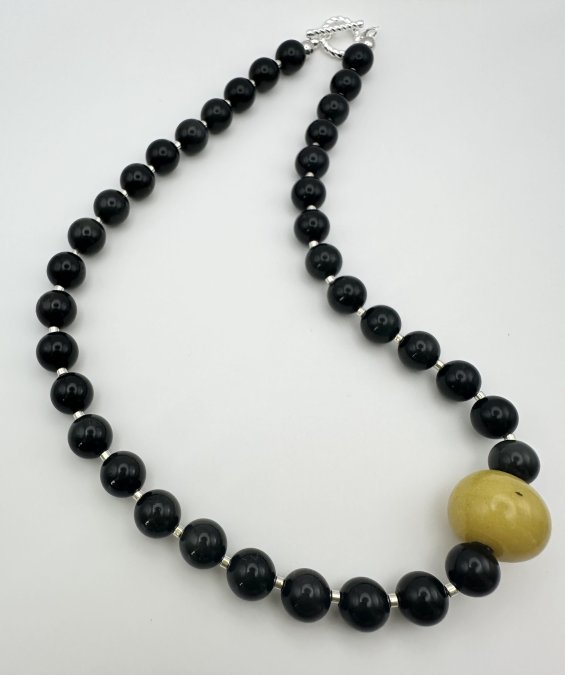
Handcrafted rings feature subtle variations in finish and artisan touches that add character, signatures of the maker's hand, not flaws.
Choosing handcrafted means choosing transparency: you know the origin, can speak with the artist, and understand material sourcing, a connection that matters to those wanting jewellery that reflects their values.
Material durability: tarnish-resistant metals and gemstone clarity
The metals used in your ring determine durability. Understanding real-world performance helps you avoid costly replacements.
Sterling silver (925) requires consistent maintenance, tarnishing when exposed to moisture and salt air. Coastal or frequent swimmers need polishing every 2-4 weeks. Repeated polishing can thin delicate bands over 5-10 years. Rhodium plating extends tarnish-free periods to 6-12 months but costs £30-60 per replating.
Gold-filled jewellery offers a middle ground with a gold layer 5-10 times thicker than plating, resisting tarnish for 5-15 years. Base metal may eventually show at high-friction points, but this is cosmetic. Gold-filled is durable for daily wear, though not permanent.
Solid gold (14K or 18K) never tarnishes. 14K (58% gold) is harder than 18K (75% gold), making it better for constant wear. Solid gold costs 3-5 times more than gold-filled but justifies the investment for heirloom pieces.
316L stainless steel and PVD coatings resist tarnishing for 10+ years with minimal maintenance. Both excel for active lifestyles or coastal living, though PVD may show wear at high-friction points.
Gemstone hardness matters equally to metal choice. The Mohs hardness scale ranks stones from 1 (softest) to 10 (hardest):
- Mohs 7-7.5 (amethyst, citrine, rose quartz): Suitable for occasional wear or protected settings only. Daily wear risks scratching and clouding.
- Mohs 8-8.5 (topaz, spinel, aquamarine): Handle daily wear reasonably well, though they're softer than ideal for rings worn constantly in active environments.
- Mohs 9 (sapphire, ruby, corundum): Excellent for daily wear. These stones resist scratching and maintain clarity through years of contact with skin, clothing, and surfaces.
- Mohs 10 (diamond): The hardest natural gemstone; essentially scratch-proof for everyday wear.
The most durable stackable rings pair tarnish-resistant metals (solid gold, 316L stainless steel, or rhodium-plated sterling silver) with gemstones rated Mohs 8 or higher. This combination means you can wear your rings every single day without watching them deteriorate. You're not choosing between beauty and practicality; you're getting both.
A practical consideration: If you're building a stackable ring collection, consistency matters. Mixing materials (one ring in sterling silver, another in gold-filled, a third in stainless steel) means different maintenance schedules and potential colour mismatches over time.
Ethical jewellery brands Australia and sustainable sourcing
Ethical sourcing has become non-negotiable for conscious consumers. You want to know that the gemstones in your ring weren't mined under exploitative conditions. You want the metals to come from responsible sources. You want your purchase to support fair labour practices.
Many Australian artisan jewellers now prioritise ethical sourcing as a core part of their business. They work with suppliers they trust. They can tell you exactly where their materials come from. They often choose recycled metals or sustainably sourced gemstones over newly extracted alternatives.
When you buy from an ethical jewellery brand, you're making a statement about what matters to you. You're supporting craftspeople who care about both their art and their impact. This transparency, knowing the full story of your ring's creation, adds genuine value beyond the physical object.
How to care for gemstone rings and extend their lifespan
Proper care transforms a ring from a temporary accessory into a genuine heirloom. Different gemstones require different approaches. Delicate stones like opal or emerald need gentle handling and occasional professional cleaning. Harder stones tolerate more strong care routines.
Basic maintenance involves simple habits. Remove your rings before swimming, showering, or doing dishes. These activities expose your jewellery to chemicals and temperature fluctuations that accelerate wear. Store rings separately to prevent scratching. Clean them regularly with appropriate methods for their specific materials and stones.
Professional cleaning once or twice yearly keeps your ring looking fresh. A jeweller can inspect settings, check for loose stones, and restore polish to metals. This preventive approach catches potential issues before they become problems. It's far cheaper to maintain a ring properly than to repair damage from neglect.
The care routine you establish directly impacts how long your ring remains beautiful. A ring made from durable materials and worn with intention genuinely can become a piece you pass down.
Sizing, fit, and stackable ring styling for everyday wear
Getting the right size matters more than most people realise, and it becomes exponentially more complex when you're stacking rings from different makers.
Individual ring sizing basics: A ring that's too loose will spin and feel uncomfortable; one that's too tight restricts circulation and can damage the band. Your true size also shifts slightly with temperature and time of day (fingers swell in heat and after exercise), which is why professional sizing is worth the investment. Most independent jewellers offer resizing within the first 30 days of purchase.
The stackable ring sizing challenge: This is where many shoppers stumble. A size 7 from one artisan may fit differently than a size 7 from another because:
- Band width varies. A wider band (4-6mm) feels tighter than a narrow band (1.5-2mm) at the same nominal size. If you're stacking a delicate 1.5mm band with a 5mm gemstone ring, the wider ring may feel snug while the narrow one spins.
- Metal density differs. Stainless steel and gold-filled rings sit differently on the finger than sterling silver, even at the same size, because of subtle differences in how they're manufactured and finished.
- Comfort fit curves vary. Some makers' comfort-fit designs curve more aggressively than others, affecting how snugly the ring sits.
How to size stackable rings correctly:
-
Get professionally sized in person. Order a plastic ring sizer from the maker or visit a local jeweller. Measure your finger at the time of day you'll wear the rings most (usually afternoon/evening). Write down your exact size.
-
Ask the maker about their sizing. Reputable independent jewellers provide detailed sizing information: band width, whether the design is comfort-fit, and how their sizing compares to standard industry measurements. If they don't, ask directly. A maker who knows their craft will have this information ready.
-
Order one ring first. Before committing to a full stack, order a single ring and wear it for a week. Does it spin? Does it feel tight? Use this baseline to inform your next purchases. Many makers will resize a first ring if it doesn't fit perfectly.
-
Account for stacking thickness. When three or four rings sit together, they occupy more space on your finger than a single ring. You may need to size up by 0.5 to 1 full size when building a stack. Ask your maker for guidance, they've seen this before.
-
Request consistent sizing across your collection. If you're commissioning multiple rings from the same maker, ask them to size all pieces to sit together comfortably. A skilled jeweller can adjust for band width and comfort-fit curve so your stack feels intentional rather than accidental.
Stackable ring styling for visual balance: Once your rings fit properly, styling becomes about proportion and rhythm.
- Pair delicate with statement. A minimalist 1.5mm band in solid gold looks elegant next to a bolder gemstone ring with a 4mm band. The contrast creates visual interest without overwhelming the hand.
- Vary stone sizes. Stack a small accent stone (3-4mm) with a larger focal stone (8-10mm) and a plain band. This creates hierarchy and draws the eye naturally.
- Consider negative space. Intentionally spacing rings apart (rather than nestling them together) can look more modern and gives each piece room to be appreciated. Alternatively, rings designed to sit flush against each other create a seamless, integrated look.
- Limit statement pieces. Three delicate bands stack beautifully. Three statement rings with large stones can feel visually chaotic. The principle is balance, let each ring have space to be seen.
Comfort fit design matters for daily wear. Comfort-fit rings curve slightly inward, reducing pressure on the finger and making rings feel less restrictive during long wear. This design choice is significant if you plan to wear your rings constantly. A well-fitted, comfort-designed ring becomes almost invisible; you forget you're wearing it because it feels so natural. When evaluating alternatives, ask whether the design includes a comfort curve, it's a small detail with a large impact on wearability.
Finding your alternative: key selection criteria
Choosing between Luna Tide alternatives rings requires clarity about what matters most to you. Start by defining your non-negotiables. Do you need tarnish-resistant materials? Are you committed to ethical sourcing? Do you prefer minimalist designs or statement pieces?
Next, consider your lifestyle. If you work with your hands or spend time in water, durability becomes paramount. Choose metals and gemstones that can handle that reality. If you're building a collection to layer and stack, think about how pieces will work together visually.
Budget matters, but it's worth separating price from value. A handcrafted ring from an independent maker might offer better craftsmanship, longevity, and story than a mass-produced alternative. Conversely, a lower price point doesn't automatically mean lower quality, some emerging makers offer exceptional value.
Research the maker's approach to their craft. Do they publish information about their materials and sourcing? Can you see their design philosophy clearly? Do they offer detailed care instructions? These signals indicate whether a jeweller takes their work seriously and stands behind it.
| Selection Criterion | Why It Matters | What to Look For |
|---|---|---|
| Material durability | Determines lifespan and maintenance needs | Tarnish-resistant metals, appropriate gemstone hardness |
| Ethical sourcing | Aligns purchase with values | Transparent supply chain, certifications |
| Design aesthetic | Ensures you'll actually wear the piece | Alignment with your personal style |
| Maker reputation | Indicates craftsmanship quality | Reviews, portfolio, maker transparency |
| Sizing and fit | Affects daily comfort and longevity | Professional sizing, comfort fit options |
| Care requirements | Impacts long-term maintenance burden | Clear instructions, durability rating |
Finding the right Luna Tide alternatives for rings means looking beyond brand names to the craftsmanship, materials, and values behind each piece. At Choux Fleur Designs, we create small-batch, one-of-a-kind gemstone rings designed to be worn every day and cherished forever. Each piece balances colour, proportion, and contrast with meticulous attention to durability and ethical sourcing. When you choose a handcrafted ring that reflects your aesthetic and values, you're not just buying jewellery, you're investing in something genuinely individual that becomes part of your story.
Frequently Asked Questions
What should I look for when buying small-batch gemstone rings as Luna Tide alternatives?
Prioritise gemstone clarity, metal durability (sterling silver, gold-filled, or 316L stainless steel), and artisan credentials. Check whether the maker sources ethically and offers documentation of materials. Verify comfort fit and waterproof suitability for everyday wear. Small-batch makers typically provide detailed gemstone provenance and craftsmanship details that mass-produced alternatives cannot match.
How do handcrafted gemstone rings Australia differ from mass-produced crystal jewellery?
Handcrafted pieces emphasise individual design, superior material selection, and artisan skill. Each ring is intentionally created rather than duplicated, resulting in unique proportions and colour combinations. Artisan makers typically use semi-precious stones and tarnish-resistant metals with attention to longevity. Mass production prioritises volume and standardisation, often compromising durability and aesthetic refinement.
How do I know a handcrafted ring will actually last if I wear it every day?
Examine material specifications: sterling silver resists tarnish better when properly finished, whilst gold-filled and 316L stainless steel offer superior durability for daily wear. Ask makers about gemstone hardness. Reputable artisans provide care instructions and often offer maintenance support for long-term ownership.
What's the difference between ethical jewellery brands Australia and standard gemstone retailers?
Ethical brands prioritise transparent sourcing, fair labour practices, and sustainable materials. They typically document gemstone origin, avoid conflict stones, and support local artisans. Many Australian makers emphasise minimal waste production and responsible metal sourcing. Standard retailers often lack this transparency and may source materials without accountability. Ethical brands reflect genuine environmental and social responsibility rather than marketing claims alone.